Escalating Tensions in the Persian Gulf: Reports of Strikes on US Military Installations
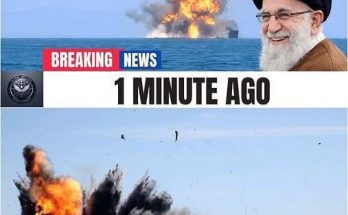
Recent developments in the Persian Gulf have heightened international concern as reports emerge of attacks on United States military installations in the region. Iranian state media, citing military sources, has indicated that missile strikes targeted US bases, prompting heightened security measures across several Gulf countries.
Authorities in multiple nations have urged residents to remain indoors and avoid areas that could be affected by potential military activity. These precautionary measures reflect the seriousness with which regional governments are treating the reported incidents.
Abu Dhabi: Explosions and Airspace Closures
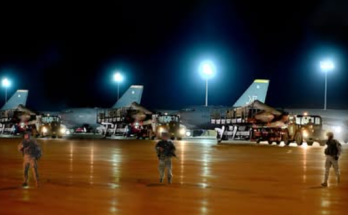
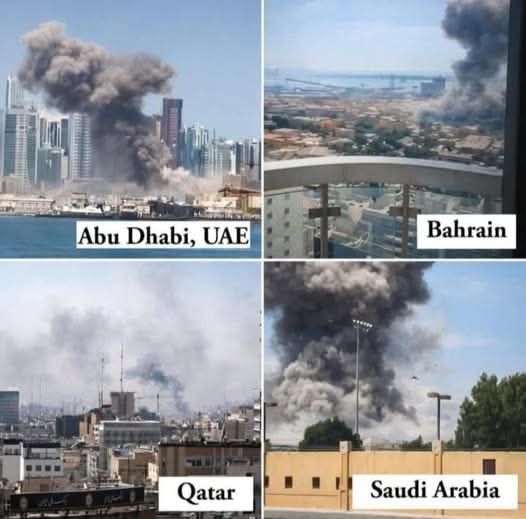
According to Reuters, a significant explosion occurred in Abu Dhabi, leading the United Arab Emirates (UAE) to temporarily close its airspace. Officials reported that the Al Dhafra Air Base, a strategic site within the country, was hit by ballistic missiles. The strikes reportedly caused considerable damage and were met with heightened security responses to ensure civilian safety.
Bahrain: Smoke Over Military Zones
In Bahrain, reports indicate that smoke was observed over the Al Jufair area, the location of a US Fifth Fleet base, following the alleged attacks. Local authorities have continued to advise citizens to stay away from military zones and remain vigilant in light of the regional instability.
Qatar: Missile Interceptions and State of Alert
Qatar’s Interior Ministry has urged residents to seek shelter, as defense systems, including Patriot missiles, reportedly intercepted incoming projectiles aimed at the Al Udeid Air Base. The government also temporarily closed the country’s airspace. Qatar’s Defense Ministry stated that several attacks had been successfully repelled and confirmed that the nation remains on high alert.
Kuwait: Precautionary Measures
In Kuwait, authorities reported hearing powerful explosions and have urged citizens to stay at home and avoid work or travel during this period of heightened tension. These measures are consistent with those taken by other Gulf countries in response to the reported missile activity.
Escalating Tensions in the Persian Gulf: Reports of Strikes on US Military Bases
Recent events in the Persian Gulf have raised global concern, as reports indicate that military installations used by the United States may have been targeted in the region. Iranian state media, citing official military sources, claimed that missile strikes were launched against several US bases. These developments have prompted heightened security measures in multiple countries and a series of advisories urging residents to remain indoors and avoid sensitive areas.
Authorities across the region are taking precautionary steps, emphasizing public safety amid what appears to be an evolving military situation. While official reports are still emerging, the measures reflect the seriousness of the situation and the potential for regional escalation.
Abu Dhabi: Explosions Reported and Airspace Closures
Reuters reported a significant explosion in Abu Dhabi, prompting the United Arab Emirates (UAE) to temporarily close its airspace as a precaution. Local authorities indicated that the Al Dhafra Air Base, a key military installation in the country, may have been targeted by ballistic missiles. The strikes reportedly caused extensive detonations, prompting immediate emergency responses and reinforced security measures to protect both military personnel and civilians in surrounding areas.
Airspace closures are a standard precaution during such incidents to prevent civilian aircraft from encountering potential threats. The UAE government has emphasized that the safety of residents and visitors remains the highest priority and that citizens should comply with all advisories issued by local authorities.
Bahrain: Smoke Observed Near US Fifth Fleet Base
In Bahrain, smoke was reported in the Al Jufair area, home to a US Fifth Fleet base, following the alleged missile activity. Local authorities have repeatedly advised citizens to remain indoors and avoid military zones during this period of heightened alert. These measures aim to minimize risk to civilians while military personnel assess and respond to the reported incidents.
The presence of international military installations in Bahrain has historically made it a focal point for regional tensions. Authorities in the country are coordinating with allied forces to ensure preparedness and reduce the potential for unintended civilian harm.
Qatar: Missile Interceptions and Heightened Security
Qatar’s Interior Ministry issued guidance for residents to seek shelter following reports of incoming projectiles targeting the Al Udeid Air Base. The nation’s defense systems, including Patriot missile batteries, reportedly intercepted some of the threats, mitigating potential damage. In response to the situation, the Qatari government temporarily closed its airspace and maintained a state of high alert across the country.
Officials emphasized that several attempts at strikes were successfully repelled and that ongoing surveillance and security measures are in place to monitor potential risks. Public cooperation with these advisories remains a critical component of maintaining safety during such periods.
Kuwait: Explosions and Public Advisories
Kuwaiti authorities reported hearing multiple explosions and urged citizens to stay home, avoid workplaces, and follow official safety instructions. Similar to neighboring states, the government’s guidance is focused on minimizing civilian exposure to potential military activity and maintaining order during heightened tension.
Authorities in Kuwait have highlighted the importance of monitoring official channels for updates and avoiding speculation or unverified reports that could lead to confusion or panic among the population.
Historical Context: US-Iran Relations
To understand the current situation, it is important to consider the broader historical context of US-Iran relations. Tensions between the two nations have existed for decades, with particular escalation after the US withdrawal from the Joint Comprehensive Plan of Action (JCPOA) and subsequent imposition of sanctions on Iran.
Past military confrontations in the Persian Gulf, including missile strikes, drone incidents, and naval engagements, have contributed to ongoing regional instability. These historical patterns provide context for why countries in the Gulf remain highly vigilant during periods of reported military activity.
Regional Implications of Military Escalation
The recent strikes, if confirmed, could have far-reaching implications for the region. The Persian Gulf is a key global shipping corridor, and any military escalation could affect commercial shipping, oil production, and international trade routes.
Governments in the region are particularly attentive to the safety of commercial vessels, airports, and civilian infrastructure, emphasizing contingency plans and rapid response protocols to prevent disruptions and ensure public safety.
Defense Systems: How Patriot Missiles Protect Civilian and Military Areas
Patriot missile defense systems have been mentioned in reports of missile interceptions in Qatar. These systems are designed to detect, track, and neutralize incoming threats, providing protection for both military installations and surrounding civilian areas.
The use of advanced defense technologies highlights the preparedness of regional governments to respond to potential missile threats and minimize damage. While no defense system can guarantee complete protection, their presence contributes to mitigating risks in densely populated or strategically important areas.
Government and International Responses
Governments across the Gulf Cooperation Council (GCC) have issued public advisories, including instructions to shelter in place, avoid air travel, and follow official updates. These responses reflect a coordinated approach to maintaining safety and preventing panic among residents.
International actors, including the United States, have monitored the situation closely. While official statements may not disclose detailed military operations, diplomatic channels remain active to prevent further escalation and seek de-escalation where possible.
Safety Precautions for Civilians
Authorities in affected countries have emphasized practical steps for civilians during periods of potential missile activity:
-
Stay indoors and avoid areas near military installations.
-
Follow updates from official government channels.
-
Avoid speculation or sharing unverified information on social media.
-
Prepare emergency supplies in case of extended advisories or disruptions.
These measures are consistent with best practices in civil defense and aim to ensure that residents remain safe without spreading unnecessary fear.
Expert Analysis and Potential Scenarios
Military analysts have noted that while the reported strikes indicate an escalation, there are multiple scenarios for how events could unfold. Possible outcomes include:
-
Diplomatic negotiations to reduce tensions.
-
Limited military exchanges with controlled responses.
-
Heightened regional alert with minimal civilian impact.
Experts stress the importance of measured responses from all parties to avoid unintended consequences that could affect regional stability and global economic interests.
Comparing Current Events to Previous Regional Flare-Ups
Historically, the Persian Gulf has experienced periodic escalations involving missile activity, drone strikes, and naval confrontations. Comparing current reports to past incidents highlights both the continuity of regional tensions and the improved defensive capabilities of Gulf states.
Lessons from prior conflicts demonstrate the value of civil defense planning, rapid military responses, and international diplomatic engagement in preventing broader escalation.
Conclusion
The recent reports of attacks on US military bases in the Persian Gulf have triggered widespread precautionary measures and heightened regional alert. While the full details are still emerging, authorities across the UAE, Bahrain, Qatar, and Kuwait have urged citizens to prioritize safety by following official advisories.
Understanding the historical context, regional implications, and defensive measures provides a clearer perspective on the situation. By emphasizing public safety, coordinated military responses, and diplomatic engagement, Gulf nations aim to mitigate risks while navigating complex geopolitical challenges.
The ongoing developments serve as a reminder of the importance of measured, fact-based reporting and adherence to official guidance during periods of military tension.