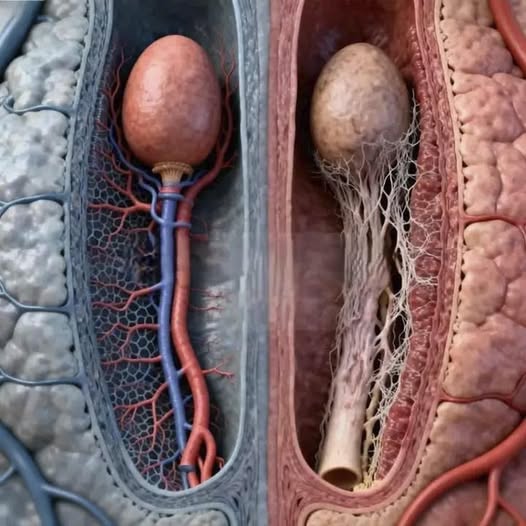
“Silent filters of life, kidneys shape health, aging, energy, and survival. Daily habits, diet, hydration, blood pressure, sugar, and medication impact them. Awareness, prevention, early detection, and responsible lifestyle choices protect long-term wellbeing across families, communities, and healthcare systems globally.”
For most of human history, the body has been viewed as a collection of systems that function quietly, sustaining life without demanding conscious thought. Among these systems, the kidneys are some of the most efficient and least appreciated organs. Working continuously, they cleanse the blood, remove waste, regulate fluids and minerals, and support hormones that control blood pressure and red blood cell production. Because this work happens silently, kidney health is often ignored until something goes wrong. This invisibility makes kidney problems especially dangerous. Damage usually develops slowly, without pain or dramatic warning signs, and by the time symptoms appear, serious harm may already be present. This gap between their importance and the attention they receive has caused kidney health to be underestimated, despite its profound influence on energy, mental clarity, and long-term survival.
Beyond simple filtration, the kidneys perform a complex balancing act. Each one contains millions of microscopic units that remove toxins while carefully retaining substances the body still needs. They maintain electrolyte levels, control fluid balance, and regulate acidity to keep internal chemistry stable. Healthy kidneys adapt easily to changes in diet, activity, and hydration, but this flexibility has limits. Diets high in salt increase fluid retention and blood pressure, while excess sugar damages the tiny blood vessels that support filtration. Chronic inflammation further weakens kidney tissue. Because the body compensates for declining kidney function, damage can progress unnoticed for years, only becoming apparent once recovery is difficult.
Modern lifestyles place unprecedented strain on the kidneys. Processed foods deliver excessive sodium and refined carbohydrates, forcing the kidneys to work harder with little nutritional benefit. Dehydration is increasingly common as water is replaced by caffeinated or sugary drinks, concentrating waste in the blood. Physical inactivity adds to the burden by promoting weight gain, insulin resistance, and high blood pressure. Chronic stress further disrupts hormonal systems tied to kidney health. Together, these factors quietly erode kidney resilience over time.
High blood pressure and elevated blood sugar are among the most serious threats because they often develop without symptoms. Hypertension damages delicate kidney blood vessels, while uncontrolled diabetes scars filtration structures. Many people delay screening, assuming kidney disease affects only the elderly. In reality, younger adults are increasingly diagnosed with early-stage kidney damage linked to lifestyle habits, underscoring the need for lifelong awareness.
Medication misuse is another hidden risk. Frequent or unsupervised use of painkillers can reduce kidney blood flow and damage tissue, especially when combined with dehydration. Early warning signs—subtle swelling, fatigue, or changes in urination—are often ignored. Education is essential to help people recognize these signals before damage becomes severe.
Ultimately, prevention is the strongest defense. Staying hydrated, eating well, exercising, monitoring blood pressure and blood sugar, and using medications responsibly can protect kidney function. Regular check-ups enable early action, shifting the focus from crisis management to long-term health. By paying attention to these silent organs, individuals can safeguard vitality, independence, and quality of life for years to come.