
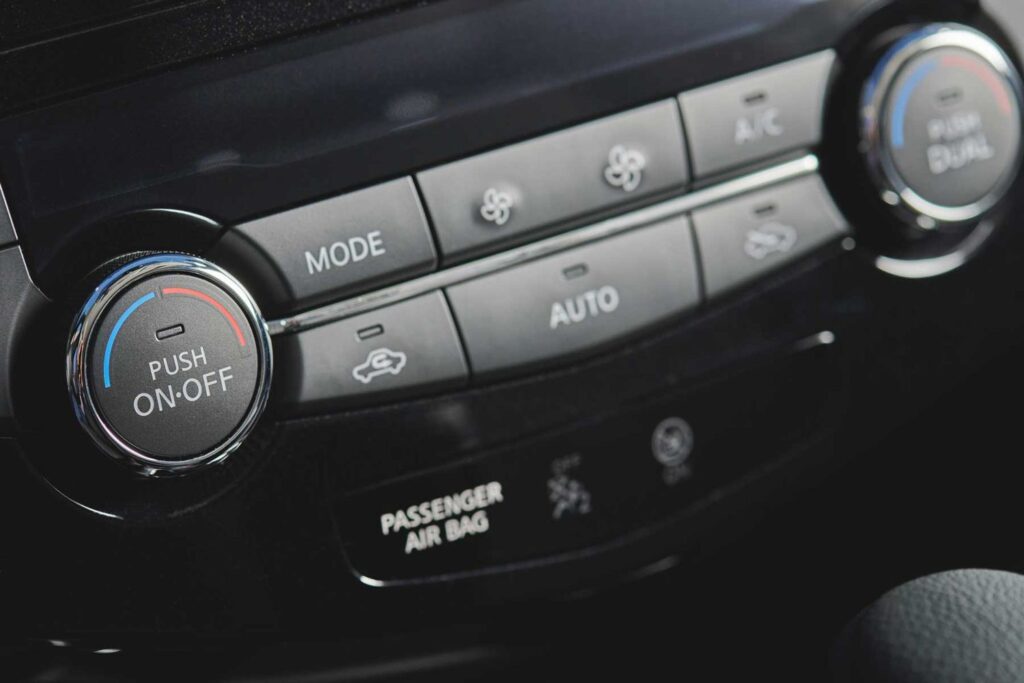
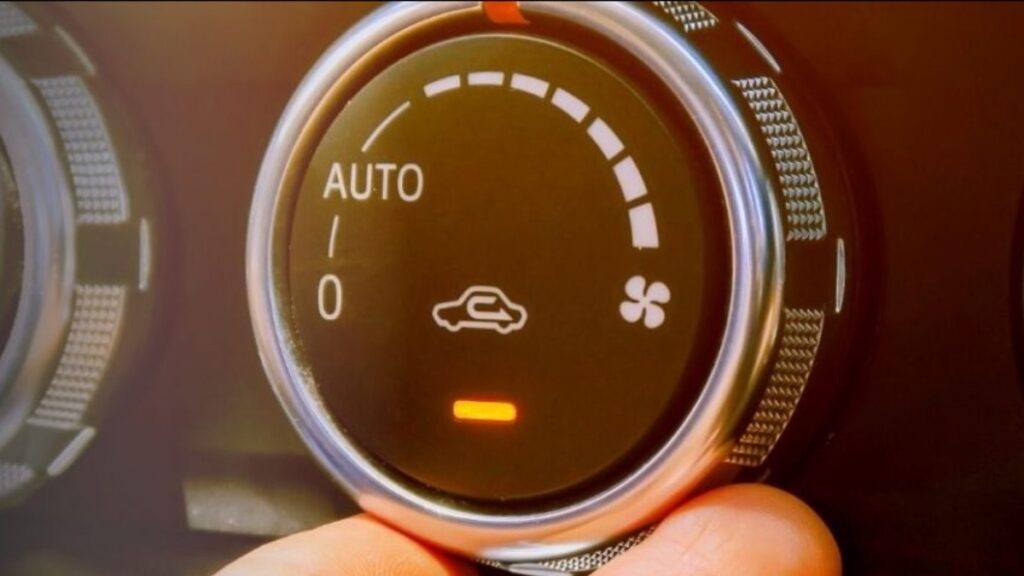
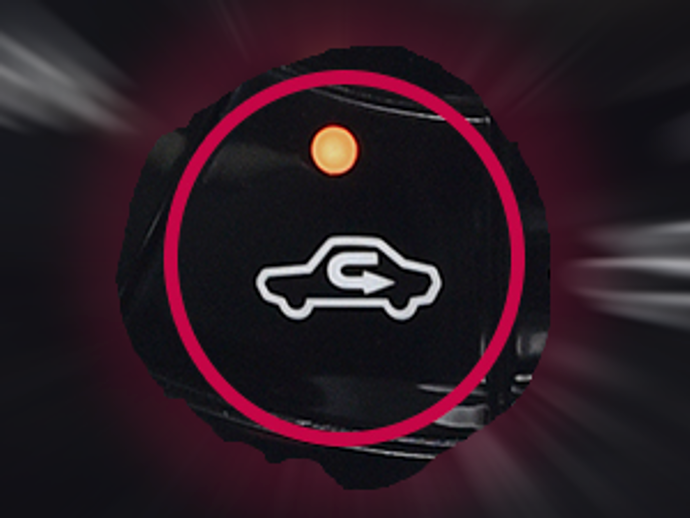
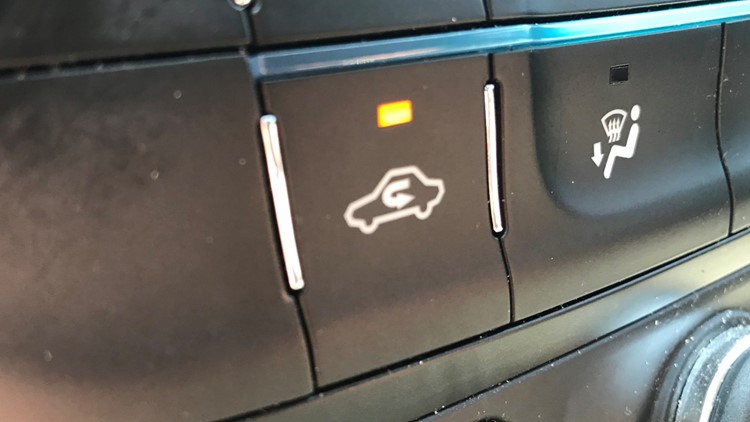
For many drivers, a glance at the dashboard reveals a familiar icon: a car with a looping arrow inside. This small symbol represents one of the most important yet underutilized features of your vehicle: the air recirculation system.
Though often overlooked, this system can significantly enhance comfort, improve cabin air quality, optimize energy efficiency, and even contribute to safety when used correctly.
Understanding how it works, when to engage it, and its limitations is essential for maximizing both driving comfort and efficiency.
How the Air Recirculation System Works
At its core, the air recirculation system is a relatively simple yet highly effective mechanism built into most modern vehicles. The ventilation system in your car typically operates in two main modes:
Fresh Air Mode: When recirculation is off, the system continuously pulls outside air through the vehicle’s vents.
This air passes through a cabin air filter, which captures dust, pollen, and other debris, before being heated or cooled and directed into the cabin. This ensures a constant supply of fresh air, maintaining oxygen levels and preventing the buildup of stale air.
Recirculation Mode: When the recirculation button is activated, a small internal door closes off outside air. The system then continuously cycles the air already inside the cabin.
By reusing already conditioned air, the system creates a closed-loop environment. This reduces the load on the HVAC system, allowing the air conditioning or heater to reach the desired temperature faster and more efficiently.
Modern vehicles often include a combination of sensors, actuators, and climate control modules that work together to optimize airflow.
Temperature sensors monitor both cabin and external temperatures, while humidity sensors help prevent condensation and window fogging. Some systems even incorporate air quality sensors, which detect pollutants and adjust recirculation automatically to maintain a healthy and comfortable environment.
Benefits of Using Air Recirculation
Proper use of air recirculation offers numerous benefits, from comfort and health to energy efficiency and environmental impact.
1. Faster Cooling in Hot Weather
One of the most immediate advantages of recirculation is that it allows the cabin to cool faster during warm or hot weather. Instead of constantly drawing in hot outside air, the system recycles air that has already been cooled by the air conditioner.
This minimizes the workload on the AC, allowing the vehicle to reach a comfortable temperature more quickly. Faster cooling not only improves comfort but also helps reduce fuel consumption in vehicles with engine-driven AC systems, as the compressor works less intensively.
2. Efficient Heating in Cold Weather
Recirculation is equally useful in cold climates. By keeping already warmed air inside the cabin, your vehicle can heat up faster, allowing drivers and passengers to achieve a comfortable interior environment more quickly.
In the early morning or winter months, this can reduce engine strain and energy use, especially in smaller vehicles or those with high-performance HVAC systems.
3. Protection from Polluted Air
Driving in urban environments, areas with heavy traffic, or locations with high industrial activity exposes occupants to pollutants such as nitrogen oxides, carbon monoxide, and fine particulate matter (PM2.5).
Activating recirculation limits the entry of these pollutants into the cabin, providing a cleaner, safer environment. This is especially critical for sensitive passengers, including children, the elderly, and those with respiratory conditions like asthma or bronchitis.
4. Allergy and Health Management
For individuals with allergies, pollen, dust, or mold spores entering the cabin can cause discomfort, sneezing, watery eyes, or congestion.
Recirculation mode, combined with a clean cabin air filter, reduces the influx of outdoor allergens. Seasonal use of recirculation can significantly improve passenger comfort during spring and fall pollen peaks or in areas with high air pollution.
5. Odor Control
Whether driving past farms, garbage facilities, industrial zones, or even heavily trafficked highways, external odors can easily penetrate the cabin. Recirculation mode helps minimize unwanted smells, maintaining a fresh interior environment.
Many vehicles with activated carbon filters further enhance this benefit by neutralizing chemical odors and reducing volatile organic compounds (VOCs).
6. Energy Efficiency and Fuel Savings
Recirculation improves energy efficiency by reducing the HVAC system’s workload. In conventional vehicles, AC operation consumes engine power, increasing fuel consumption. Using recirculation can reduce this load, improving mileage, especially in stop-and-go traffic or extreme heat.
In electric vehicles (EVs), recirculation minimizes battery drain, extending driving range by a few critical miles—a notable advantage during long trips or in extreme weather conditions.
When Not to Use Air Recirculation
While recirculation has many advantages, continuous or improper use can cause problems:
1. Cold or Rainy Conditions
In wet or cold weather, recirculating air can trap moisture inside the cabin, leading to condensation on windows. This fogging can significantly reduce visibility, creating a safety hazard.
Switching back to fresh air mode allows the HVAC system to vent excess humidity and maintain clear visibility.
2. Long Drives
On extended trips, continuously recycling cabin air without fresh intake can lead to lower oxygen levels and elevated carbon dioxide concentration.
This can cause drowsiness, mild headaches, or reduced alertness, impairing driver performance. Alternating between recirculation and fresh air helps maintain proper oxygen levels and alertness.
3. Maintaining Overall Air Quality
Even when pollution or allergens are low, recirculating air for too long can result in stale air. A balance between recirculated and fresh air ensures that the cabin remains breathable and comfortable, avoiding stale or musty conditions.
Common Misconceptions About Air Recirculation
“It’s only for AC use.” Recirculation benefits heating, cooling, and air quality management.
“It can be left on indefinitely.” Extended use can lead to condensation, stale air, or low oxygen levels.
“It filters all pollutants.” The system limits new pollutants from entering but does not replace the cabin air filter. A clean filter is essential for optimal performance.
Cabin Air Filters: A Key Component
The cabin air filter is central to the effectiveness of the recirculation system. Filters remove dust, pollen, dirt, and debris from incoming air. Many modern vehicles also use activated carbon filters, which neutralize odors and chemical pollutants.
Maintenance Tips:
Replace filters every 12,000–15,000 miles, or more frequently in dusty or polluted areas.
A clogged filter reduces airflow, decreases HVAC efficiency, and limits the effectiveness of recirculation.
For vehicles in high-pollution urban areas, consider upgrading to high-efficiency or HEPA-grade filters for maximum protection.
Practical Tips for Optimal Use
Use recirculation in traffic jams or heavy urban pollution to reduce inhaled pollutants.
Engage it in hot weather for faster cooling while reducing AC load.
Alternate with fresh air during long trips to maintain oxygen levels and alertness.
Avoid prolonged use in rainy or cold conditions to prevent foggy windows.
Ensure the cabin air filter is clean and replaced on schedule.
Modern Innovations in Recirculation Systems
Today’s vehicles often feature automatic recirculation, where sensors detect air quality, temperature, and humidity to toggle between fresh and recirculated air.
Some systems will automatically switch to recirculation when pollution levels are high, then return to fresh air when conditions improve. This reduces the need for manual adjustment while ensuring optimal cabin comfort and air quality.
The Evolution of Air Recirculation in Vehicles
The air recirculation system has evolved significantly over the decades. In the early days of automotive design, ventilation systems were rudimentary, relying primarily on sliding vents or adjustable windows to allow fresh air into the cabin.
Drivers had little control over airflow direction, and heating or cooling a vehicle efficiently was often impossible, especially in extreme temperatures.
Air conditioning systems, introduced widely in the 1950s and 1960s, initially lacked recirculation features. Early drivers struggled to cool cars during summer heat, as AC systems had to constantly pull in hot air from outside.
By the 1970s, manufacturers began integrating basic recirculation controls. These early systems allowed drivers to manually close off outside air, offering faster cooling and heating, improved energy efficiency, and better odor and dust control.
With the rise of sophisticated climate control systems in the 1990s and 2000s, recirculation became more advanced. Modern systems now integrate digital sensors that monitor temperature, humidity, and air quality.
High-end vehicles even use predictive algorithms to adjust airflow automatically based on external conditions, passenger preferences, and driving patterns.
Today, the air recirculation system is a fully optimized component of the HVAC system, contributing not only to comfort but also to energy efficiency, passenger health, and even environmental sustainability.
Seasonal and All-Weather Use
To maximize the benefits of air recirculation, it’s essential to consider the season, weather, and driving conditions.
Hot Weather and Summer Driving
Engage recirculation immediately after entering a hot car to rapidly cool the cabin.
Once the interior reaches a comfortable temperature, alternate with fresh air to prevent stale air buildup and maintain humidity balance.
Using recirculation in stop-and-go traffic or heavy city congestion is especially beneficial, as the system reduces AC workload and prevents excessive fuel consumption.
Cold Weather and Winter Commuting
Activate recirculation to heat the cabin quickly, especially on chilly mornings or during short trips.
Avoid continuous use without fresh air, as trapped moisture can condense on windows, creating fog and potentially reducing visibility. Alternating with fresh air ensures clear windows and safer driving.
Rain, High Humidity, and Foggy Conditions
Continuous recirculation can trap humidity, causing windows to fog rapidly.
Switch to fresh air to ventilate the cabin, reduce moisture, and maintain safe visibility.
Use defroster settings in combination with fresh air intake for optimal results in rainy or humid climates.
Urban and High Pollution Areas
Recirculation mode is particularly useful when driving in dense traffic or areas with high industrial emissions.
Prevents exhaust fumes, dust, and chemical pollutants from entering the cabin, protecting sensitive passengers and minimizing health risks.
Long-Distance Driving and Highway Use
Maintain a balance between recirculated and fresh air to ensure proper oxygen levels.
Prolonged recirculation can reduce alertness and increase fatigue, especially with multiple passengers.
Fresh air intake reduces drowsiness and maintains a comfortable, breathable cabin environment.
Economic and Environmental Implications
Using air recirculation wisely provides both financial and ecological advantages:
Fuel Efficiency for Conventional Vehicles
Air conditioning in traditional internal combustion engine cars uses engine power. By reducing the AC system’s workload, recirculation can improve fuel economy, particularly in hot climates or traffic-heavy environments.
Even small gains in efficiency translate to tangible savings over time, especially for commuters or frequent drivers.
Energy Efficiency for Electric Vehicles (EVs)
EVs rely on battery power to operate climate control systems. Using recirculation strategically reduces energy draw, extending the vehicle’s driving range.
During extreme weather, careful use of recirculation can add several miles of range—crucial for long trips or minimizing charging stops.
Environmental Sustainability
Lower energy consumption in both fuel-based and electric vehicles reduces greenhouse gas emissions. While the impact per vehicle is modest, widespread adoption of proper recirculation practices contributes to cumulative reductions in carbon footprints, supporting broader environmental goals.
Advanced Health and Safety Considerations
While comfort and efficiency are the most obvious benefits, recirculation plays a significant role in passenger health and safety:
Reducing Exposure to Pollutants
In urban areas, airborne pollutants such as nitrogen oxides, carbon monoxide, PM2.5, and VOCs can affect respiratory health. Recirculation limits new pollutants from entering the cabin, offering a protective barrier.
This is particularly valuable for children, older adults, or passengers with asthma, allergies, or chronic respiratory conditions.
Managing Allergens and Pathogens
During allergy season or periods of high flu incidence, recirculation can help reduce the number of pollen, mold spores, and airborne viruses entering the cabin.
Combined with a clean cabin air filter, this creates a safer, healthier environment. Parents often notice reduced sneezing, congestion, and irritation in children when recirculation is used strategically.
Preventing Drowsiness
Extended recirculation without fresh air can reduce oxygen levels and increase carbon dioxide, potentially causing mild fatigue, headaches, or drowsiness. Alternating with fresh air, especially on long trips, ensures alertness and safer driving.
Maintaining Visibility
Proper use of recirculation in combination with HVAC defogging settings ensures windows remain clear. Trapped humidity in recirculated air without ventilation can cause condensation, impairing visibility and increasing the risk of accidents.
Expert Recommendations
Automotive experts and engineers provide these additional tips:
Monitor Air Quality Sensors: If your vehicle includes automated recirculation, understand how it responds to external pollution and odors. Sensors optimize comfort and efficiency without manual intervention.
Maintain Cabin Air Filters: Check and replace filters regularly to ensure optimal performance. Clogged filters reduce airflow, compromise air quality, and diminish the benefits of recirculation.
Use Intermittent Recirculation: Instead of continuous use, alternate between recirculated and fresh air based on conditions. This prevents stale air, reduces condensation, and maintains oxygen levels.
Combine with Other Comfort Features: Use recirculation alongside seat ventilation, sunshades, or window positioning for maximum comfort and efficiency.
Plan for Extreme Conditions: In hot summer cities or cold winter climates, combine recirculation with gradual temperature adjustment to prevent excessive energy use while keeping passengers comfortable.
Step-by-Step Guide for Safe and Effective Use
Step 1: Identify the Icon
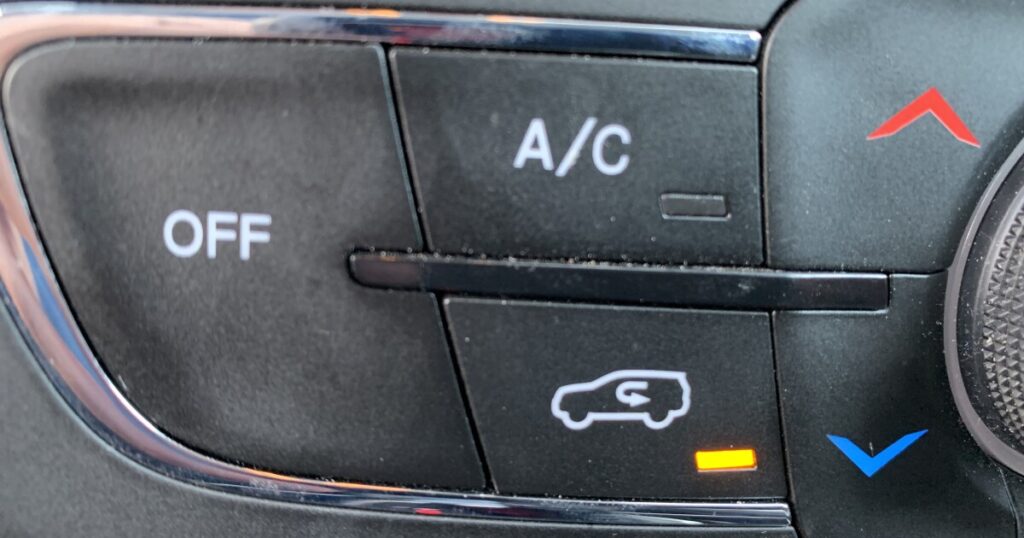
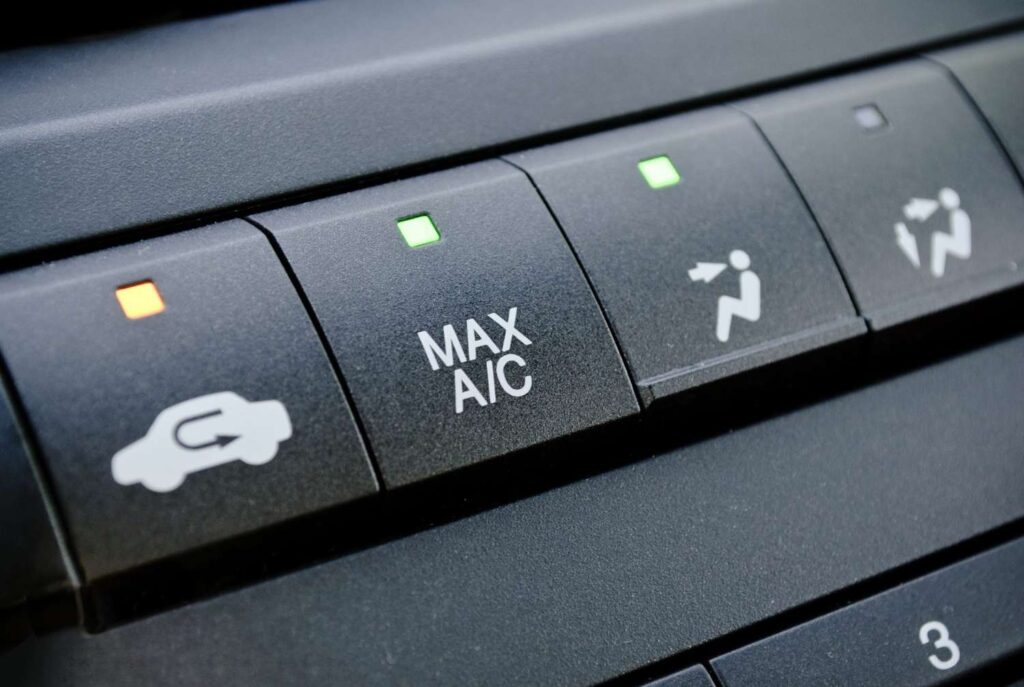
Look for the dashboard icon depicting a car with a looping arrow. This controls the air recirculation system.
Step 2: Determine Conditions
Use recirculation during:
Hot summer days to cool the cabin quickly
Urban traffic or pollution-heavy areas
When encountering strong odors on the road
Switch to fresh air during:
Rainy or humid conditions to avoid fogging
Long drives to maintain oxygen levels
Cold weather, to prevent condensation while heating
Step 3: Check Cabin Air Filters
Inspect and replace filters regularly, ideally every 12,000–15,000 miles. Consider more frequent replacement in dusty or polluted areas.
Step 4: Balance Comfort and Safety
Alternate between recirculation and fresh air based on temperature, humidity, and duration of the trip.
Step 5: Maximize Efficiency
Combine recirculation with strategic vent direction and proper window closure. This enhances both comfort and energy efficiency.
Conclusion: Small Button, Big Impact
Although often overlooked, the air recirculation system profoundly affects comfort, health, efficiency, and safety. Understanding its mechanics, benefits, and limitations allows drivers to:
Cool or heat the cabin more rapidly
Reduce exposure to pollutants and allergens
Optimize fuel or battery efficiency
Maintain oxygen levels and prevent drowsiness
Minimize condensation and maintain clear visibility
By combining knowledge of your vehicle, regular maintenance, and smart usage habits, this simple dashboard button can transform the driving experience.
Whether in scorching summer heat, freezing winter temperatures, or polluted city streets, effective use of air recirculation creates a cleaner, safer, more comfortable, and environmentally responsible ride.
This small icon, often ignored, is in fact one of the most valuable tools for any driver, showing that understanding even minor features can have major impacts on health, comfort, and sustainability.